Waterproofing
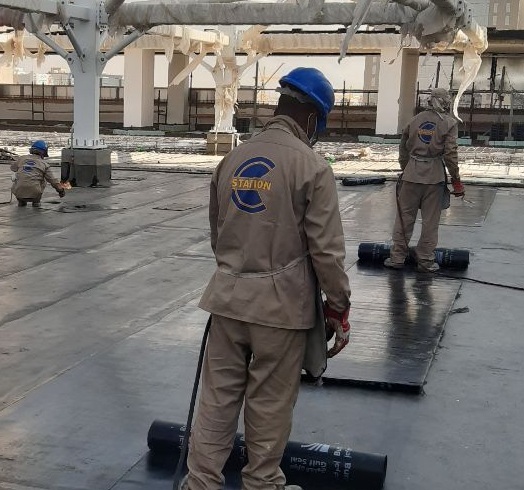
STATION GROUP's offers a wide range of high-quality Waterproofing services to its valued clients throughout the Kingdom. We understand the specific needs of every project and work closely with architects, engineers and main contractors to guarantee the right material is utilized in every case. Our experienced management crew along with our skilled labour is the basis to any successful job. We know what resources and methods will yield the highest productivity for specific budgets and conditions.
Our experienced management and Our crew is always available to inspect and advise clients on techniques that yield the most economical solutions and recommend the best alternatives for any situation. The best evidence of our reliable craftsmanship is our long-lasting relationships with our clients who repeatedly invite us to work on their projects.
We will certainly be your specialised contractor to solve any of your underground or roof water concerns. Our waterproofing and insulation systems are designed to provide full protection for various interior and exterior applications in the construction industry. STATION has been certified as a well-trained applicator by various top Waterproofing suppliers in GCC, Europe and the United States.
We utilize the most advanced chemical and physical barriers available in the modern engineering market:
- Membrane Systems: EPDM – APP – Bituminous Bitumode – SBS – PVC – HDPE – TPO – Hypalon – Liquid Applied Membranes.
- Concrete Admixture: Crystalline Waterproofing Admixture – Integral Capillary Systems.
- Coating Systems: Epoxy – Elastomeric Cementitious – Polyurethane Foam Spray, GRP, Polyurea high-performance lining.
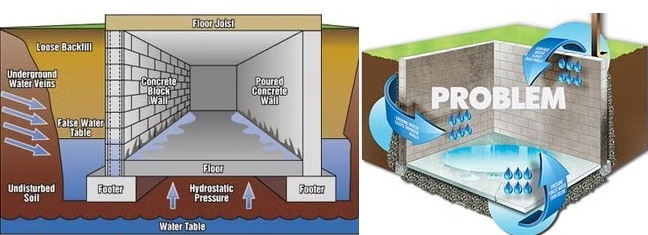
Below ground waterproofing is crucial to most structures to avoid leakage caused by the hydro-static pressure from the water table underground and cracks that occur over time from the soil pressure. The hydro-static pressure will eventually force water into the building structure through its cracks, joints and any permeable substrates leading to structural damage and the likelihood formation of mould, corrosion and other wetness related concerns.
STATION GROUP's offers a wide range of waterproofing solutions for underground structures providing protection from groundwater, soil gas and other contaminants by delivering clients with high performance products backed by our diligent technical service.
.jpg)
.jpg)
.jpg)
.jpg)
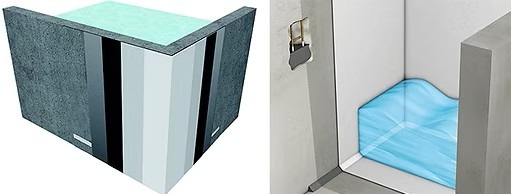
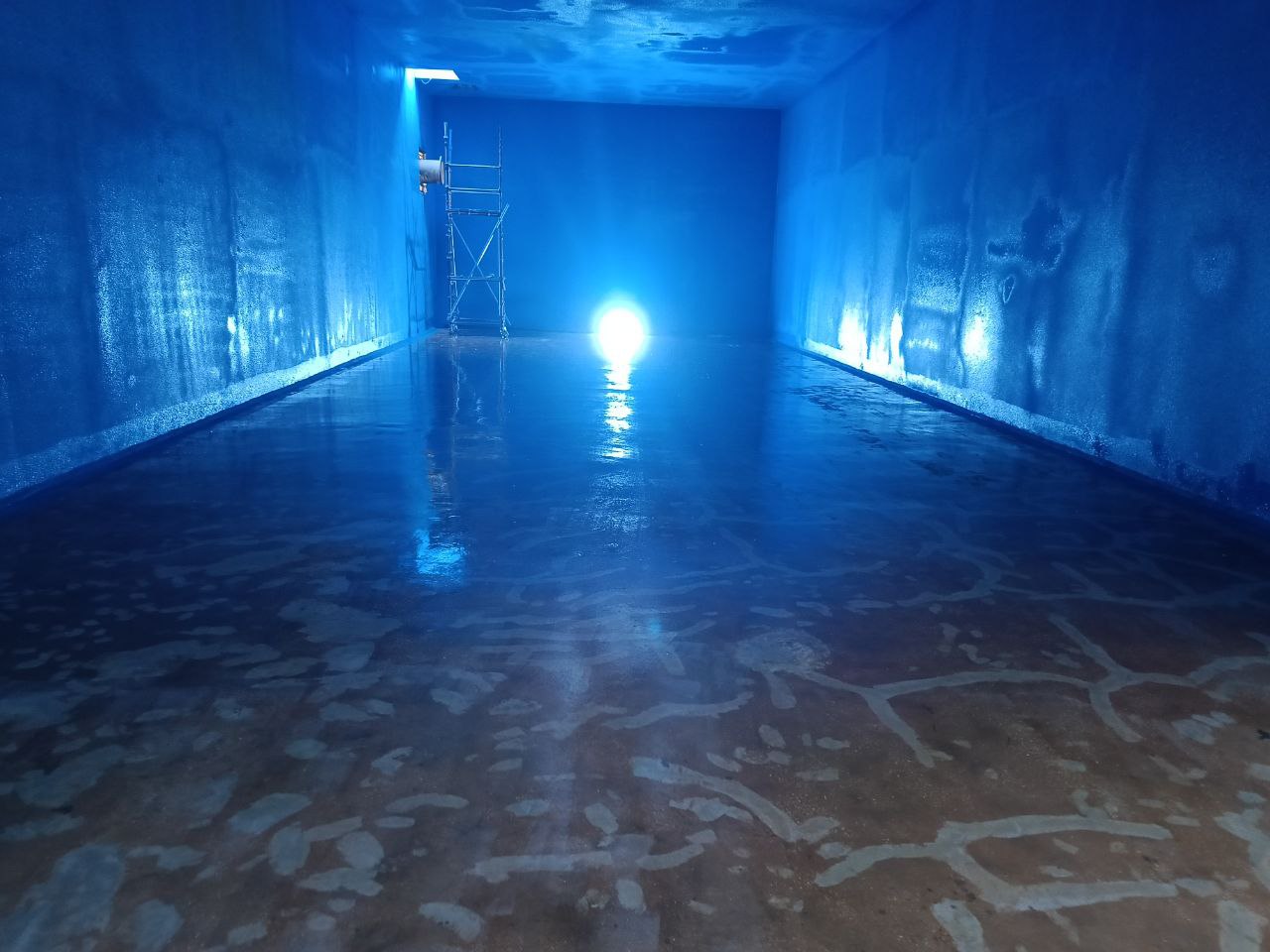
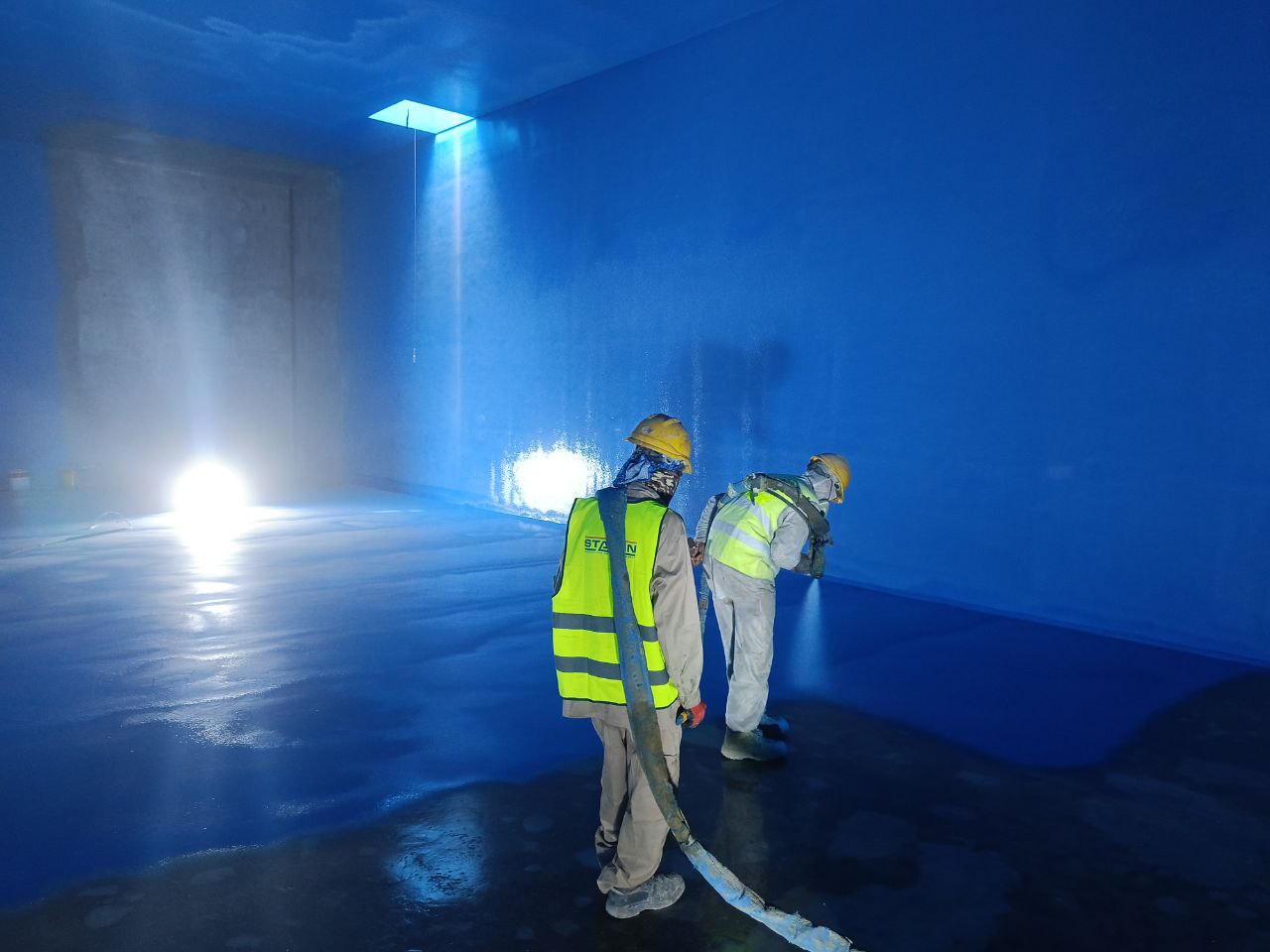
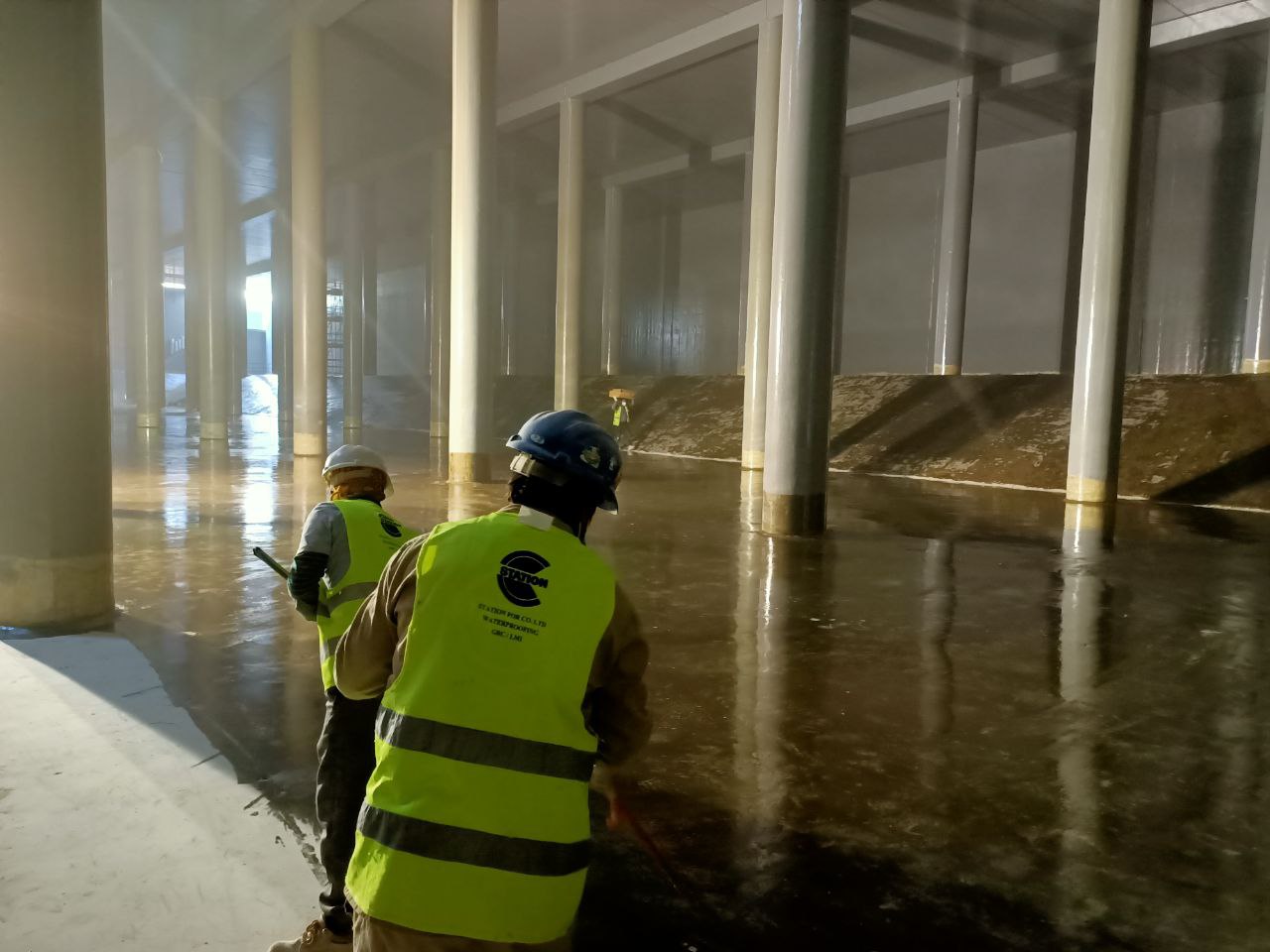
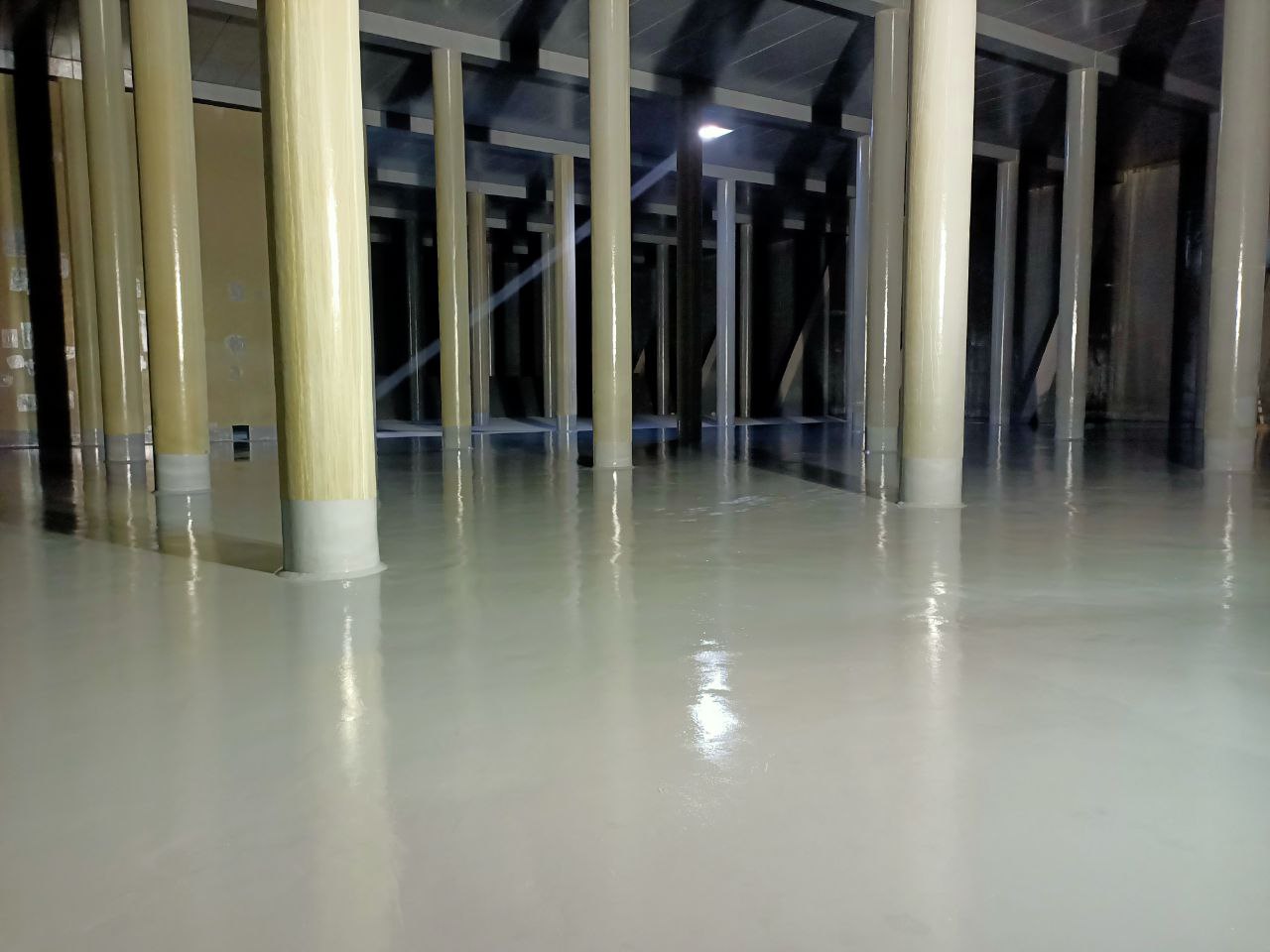
External and Internal waterproofing application is necessary to several structures such as drinking water supply channels, irrigation channels, water pipes, water tanks and reservoirs as well as other artificial ponds. These structures are constantly exposed to pressing water and leakage is common after a few years of use.
STATION solutions offer several high-end materials whether membrane or coating systems to provide long-term protection of both internal and external surface areas of all kinds of simple and complex reserve tanks.
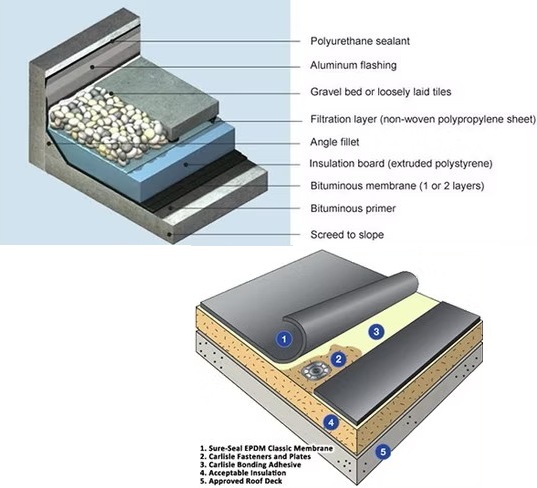
Roofs are critical sections of any structure as it fulfils an important role in facility protection. Every Roof structure has a unique character, whether it is flat or domed. As the highest point of a building, roofs are continuously, year after year, degraded by various factors such as sunlight, wind, rain and others, frequently leading to costly leaks and higher energy bills.
We provide our clients with different means to ensure that water is carried away from the building without causing any dampness in walls or roofs. Our engineered Roofing Systems at STATION combines both Thermal Insulation and Guaranteed Waterproofing within the system ensuring sustainable Roof longevity.
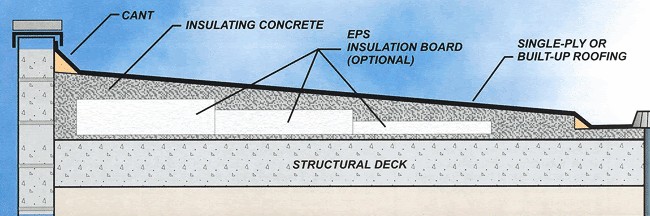
The Lightweight Insulating Concrete (LWIC) roof system is a sustainable, high-performance monolithic substrate alternative to other traditional insulation systems. Combining the unique properties of both lightweight insulating concrete and polystyrene foam insulation board, it leads to a smooth surface ideal for roofing application. LWIC addresses customizable slope-to-drain, dimensional stability, re-roofability and the ability to mechanically fasten the roofing membrane to the insulation.
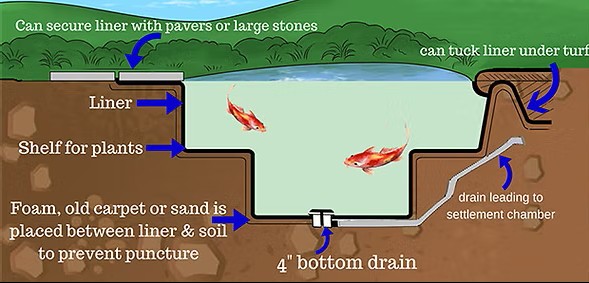
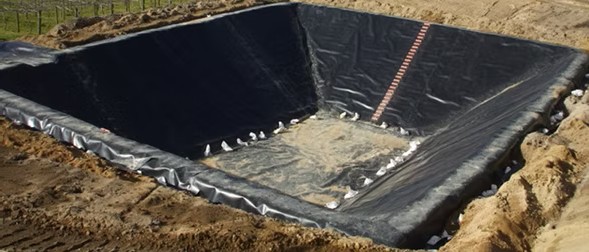
Pond and Environmental liners are frequently used to prevent water leakage for projects that are using storage ponds and tanks for water containment. Heavy duty liners can also be used to contain oil, waste, or chemicals.
Our technical experts will assess every lining project case differently to provide you with the most economical value for your solution. Factors to be considered during assessment are things like: size, what is to be contained, penetrations, buried or exposed lining, current state of area etc. to recommend the most effective and affordable material to be used.
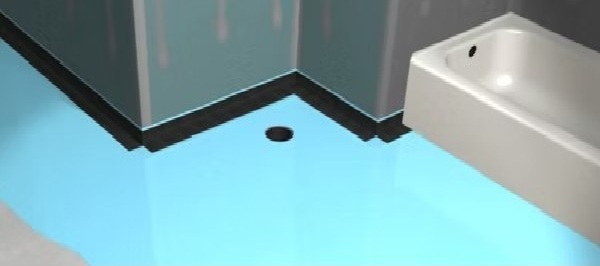
Our Wet Area WP systems allow common wet areas in household buildings such as bathrooms, laundry rooms and kitchens to become waterproof and moisture resistant. Wet Area Waterproofing is critical due to the constant use of water and humidity. The points of leakages are weak areas such as wall joints, joints between tanks, pipes and defective piping materials that corrodes over time. If the moisture spreads through the floor or walls to the concrete, it can cause significant damage to the rebars rooted in the concrete. Hence, it is key to install an impermeable layer over the concrete to stop the spread of moisture. Our range of solutions can help you achieve the necessary protection and sustainability in all your wet areas.
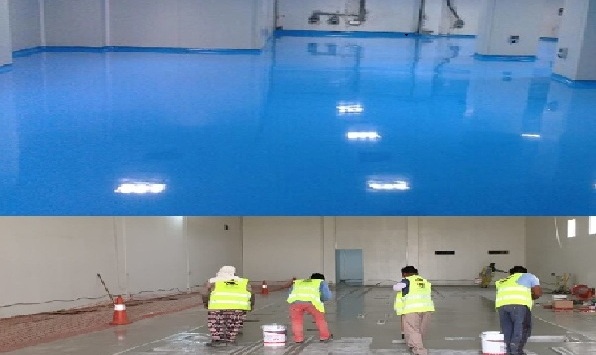
STATION Epoxy Flooring delivers a seamless, durable, and chemical-resistant surface engineered for demanding industrial and commercial environments. Designed to withstand heavy traffic, machinery, and exposure to oils, solvents, and cleaning agents, it is the trusted choice for factories, warehouses, food processing plants, laboratories, and logistics facilities.
Its non-porous finish ensures hygiene and easy maintenance, while customizable options in colors, textures, and anti-slip coatings allow clients to balance safety with aesthetics. By combining long service life with reduced upkeep costs, STATION Epoxy Flooring offers a cost-effective solution that enhances both performance and visual appeal in modern projects.
Station Group’s waterproofing and building rehabilitation services include, but are not limited to:
- Underground Systems (Tanking)
- Bentonite & Self-Adhering Sheet WP
- Built-Up Coal Tar & Bituminous WP
- Pile Treatment & Head Capping
- Damp Proofing, Vapor & Air Barriers
- Membrane Roofing (SBS, APP, Elastomeric, EPDM, PVC)
- Built-Up Bituminous & Protected Roofing
- Lightweight Insulating Concrete (LWIC)
- Fluid-Applied & Coated Foamed Roofing
- Thermal Insulation & EIFS
- Epoxy Flooring & Wall Painting
- Traffic Coatings (Vehicular & Pedestrian)
- Corrosion Protection & Overlays
- Water Repellents & Surface Sealing
- Polyurea & Chemical Resistant Coatings
- External & Internal Tank Systems
- Environmental & Artificial Pond Lining
- GRP Tank Lining & Protection
- Potable Water & Sewage Lining
- Blind-Side & Positive-Side Waterproofing
- Cementitious & Reactive Waterproofing
- High-Pressure Injection & Grouting
- Concrete Patching & Structural Grouting
- Bathrooms, Kitchens & Balcony WP
- Expansion Joints & Joint Sealants
- Preformed Joint Seals & Protection
- Flashing (Bituminous, Plastic, Rubber)
- Roofing & Siding Panels
- Roof Specialties, Accessories & Pavers
Our commitment to operational excellence is backed by industry-recognized certifications and valued client feedback.


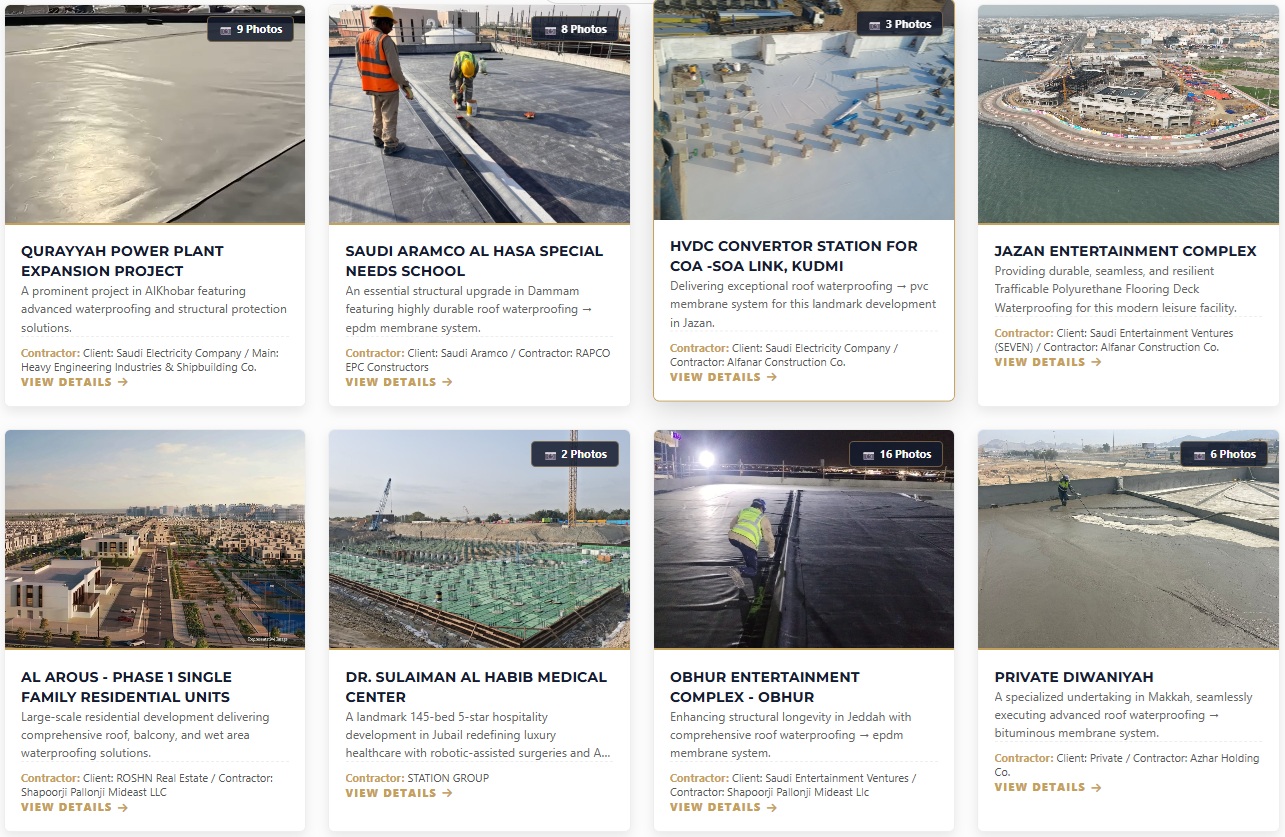
Selected Waterproofing Portfolio Cases
Concrete Repair & Restoration
Structural Integrity & Life-Cycle Management
STATION GROUP's expertise spans both specialized and conventional concrete repair approaches, ensuring the ideal solution for every project. From minor repairs to multi-faceted full-scale restoration, STATION delivers excellence across all phases.
- Supporting clients in identifying structural concerns
- Developing feasibility studies and repair options
- Turn-key delivery and management of the complete repair process
- Design / Build contracts
- Maintenance & Renovation contracts
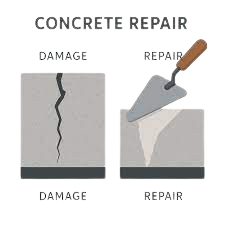
Concrete is strong, durable, and widely used in structures such as foundations, bridges, buildings, water tanks, and dams. However, without proper maintenance, it is subject to deterioration.
- Original material quality
- Exposure conditions
- Design and application standards
Over time, concrete undergoes chemical and physical changes. The most common cause of failure is rebar corrosion. When exposed to excess chlorides or carbon dioxide (carbonation), rebar corrodes, leading to cracking, spalling, and eventual bursting due to rust expansion.
- Rebar Corrosion: The most common cause of failure. When reinforced steel is exposed to excess chlorides or carbon dioxide (carbonation), it undergoes an expansive oxidation process. This rust expansion creates internal tensile stress, leading to cracking, spalling, and eventual structural bursting.
- Alkali-Silica Reactions (ASR): Internal chemical reactions between the alkalis in cement and silica in the aggregate that cause swelling and map-cracking.
- Chemical Attacks: Exposure to acids, sulfates, or aggressive industrial chemicals that dissolve the cement paste.
- Mechanical Impact: Physical damage from overloading, abrasion, or seismic activity.
- Frost Expansion: Freeze-thaw cycles that degrade the concrete matrix in colder climates.
STATION applies proven repair techniques tailored to each project’s unique environmental and structural needs. Our methodology ensures that structural integrity is not just restored, but enhanced against future degradation.
- FRP Systems: Fiber Reinforced Polymer (Carbon/Glass) wrapping for increased load capacity.
- Section Enlargement: Increasing structural dimensions with high-strength micro-concrete.
- Steel Bracing: Conventional structural steel reinforcement.
- Resin Injection: High-performance epoxy resins for structural crack welding.
- Polyurethane Injection: Specialized expanding resins for sealing water-bearing leaks.
- Structural Welding: Restoring monolithic integrity to cracked concrete.
- Structural Grouting: High-strength, non-shrink grouts for critical load transfer.
- Baseplate Support: Precision leveling for heavy industrial machinery.
- Void Filling: Pumping fluid grouts to eliminate honeycomb voids.
- Specialized Patching: Hand-applied structural mortars for spalling repair.
- Overhead & Vertical: High-build, lightweight repair mortars.
- Overlays: Cementitious toppings to restore worn flatwork and decks.
- Cathodic Protection: Electrochemical systems to halt rebar corrosion.
- Surface Coatings: Anti-carbonation and chemical-resistant barriers.
- Corrosion Inhibitors: Migrating treatments to protect embedded steel.
- Shotcrete Spray: Wet or dry spray application for large infrastructure and tunnels.
- Abrasive Blasting: High-pressure surface preparation to international standards.
- Silo Restoration: Structural repair of large-scale industrial storage.
Full-functionality restoration gallery with integrated internal group navigation.
Fireproofing & Passive Fire Protection
Certified Structural Safety Systems
STATION GROUP's experience and know-how include both specialized and conventional fireproofing approaches to deliver the ideal solution for all steel structure projects as well as mixed/concrete ones. Whether it is a commercial, residential, cellulosic project or a petrochemical, industrial, or hydrocarbon project, Station can deliver the exact right services covering:
- Defining the critical path and preparing life safety drawings certified and attested by third-party consultants and legal authorities.
- Assessing project fire pool criteria: cellulosic or hydrocarbon fire risks.
- Recommending the most competitive fireproofing materials (Intumescent / Cementitious).
- Designing required material thicknesses as per steel member sections and required hourly ratings.
- Managing all technical submittals, approvals, third-party inspections, and Civil Defence handovers.
Fireproofing is essential for steel structures and similar projects. It provides resistance to fire so that critical structures remain standing and control systems continue to operate until the fire is brought under control. Passive fire protection is a fundamental component of building safety and asset preservation.
- Structural Collapse Prevention: The essential feature of fireproofing is preventing the passage of flame or heat to the structural core, protecting against collapse.
- Specification: Fireproofing materials are specified for either cellulosic (ordinary) or hydrocarbon fire exposures at various durations (1 to 4 hours).
- Intumescent Technology: Advanced coatings that swell up to fifty times their original thickness when exposed to heat, providing an insulating charred layer.
- Safe Materials: Historically, asbestos was used but has been replaced by safer, high-performance cementitious and chemical products.
Commonly found in general building construction where the primary fuel consists of wood, paper, and textiles.
- High-rise towers & Residential blocks
- Universities & Educational facilities
- Hospitals & Medical centers
- Shopping malls & Retail hubs
- Stores and logistics warehouses
Intense, rapid-temperature-rise fires fueled by petroleum and chemicals found in heavy industry.
- Gas plants and refineries
- Petrochemical plants and chemical storage
- Power plants and energy hubs
- Offshore structures and marine terminals
- Cementitious Hydrocarbon: Heavy-duty protection for industrial steel.
- Cementitious Cellulosic: Cost-effective protection for commercial buildings.
Advanced thin-film coatings that maintain the aesthetic profile of architectural steel while providing massive expansion protection under heat.
Sealing penetrations and joints in fire-rated walls and floors to prevent the spread of smoke, toxic gases, and flames between compartments.
- Encasement of existing metal ductwork.
- Installation of self-supporting ductwork systems.
- Up to 240 minutes fire performance rating.
- Ease of construction with adhesive and mechanical fix methods.
- Lightweight and cost-effective structural protection.
- Specialized joint protection for fire-rated assemblies.
- Preformed joint seals and intumescent sealants.
- Ensures continuous compartmentation safety across building expansions.
Certified application of intumescent coatings, cementitious sprays, and firestopping systems.
